Trent Bridge: the history of the cricket ground
Researched 8 October 2026 · Club archives and primary sources
Trent Bridge grew from a ground laid out beside an inn in 1838 into Nottinghamshire’s home and an international venue. Its Pavilion, pub connection and changing stands carry that story around the boundary. On the field, Grace’s last Test, Broad’s eight-wicket spell and England’s one-day scoring records are chapters in a history that began before the county club was founded.
History at a glance
A timeline of Trent Bridge
- 1838William Clarke establishes the enclosed ground beside the inn. [1]
- 1841Nottinghamshire County Cricket Club is founded. [3]
- 1886The Pavilion is opened for cricket. [4]
- 1899The first Test is drawn; it is W. G. Grace’s last. [6]
- 1990The William Clarke Stand is built beside the inn corner. [7]
- 1993The new Hound Road Stand is officially opened. [8]
- 1998The newly opened Radcliffe Road Stand changes the northern end. [9]
- 2015Stuart Broad takes 8 for 15 in the Ashes Test. [10]
- 2018England makes 481 for 6, then the men’s ODI world record. [11]
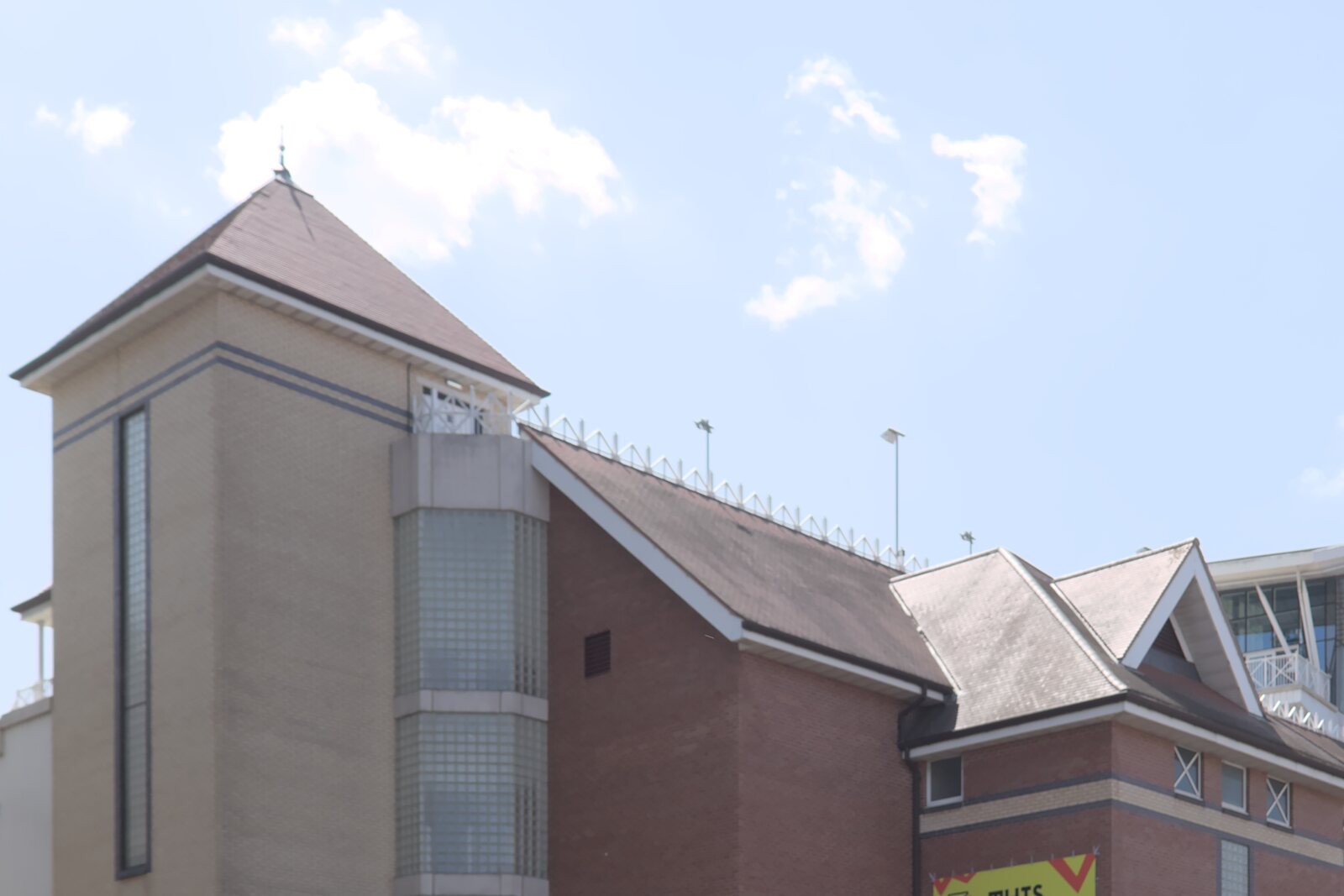

William Clarke and the inn ground
Trent Bridge dates its foundation to 1838, when William Clarke laid out an enclosed cricket ground beside the Trent Bridge Inn. Cricket had been played in the area earlier, so this is the beginning of the designated venue, rather than a proven date for the first ball ever bowled nearby. Clarke had married Mary Chapman, the inn’s widowed landlady, in December 1837. The relationship between the pub and the field was there at the start. [1]
The Forest Club played South Nottinghamshire at the ground in May 1838, and Clarke made its first recorded century later that year. He charged admission to the enclosed ground, a change from earlier free cricket on Nottingham Forest. In 1846 he moved to London as a professional bowler at Lord’s; his stepson John Chapman then took on the ground’s running. These early chapters show a cricket venue developing through people, business arrangements and local clubs before its later international status. [1] [2]
Nottinghamshire and a surviving Pavilion
Nottinghamshire County Cricket Club was founded in 1841 and reorganised in 1856. The ground therefore predates the club, a distinction shared with Old Trafford but with a different local story. Its development from an inn-side enclosure into a county home involved institutions that changed while the site remained central. Read the founding dates separately and the sequence becomes clearer: Clarke’s ground first, the county club next, and larger spectator buildings later. [3]
The Pavilion opened in 1886. Nottinghamshire’s season archive places its full opening at the Surrey fixture in June, making 1886 the club-supported date to use. It is a particularly useful landmark because later stands around the boundary belong to different periods. The club’s 2024 archive connects its recent redevelopment story with the older building. Looking towards the Pavilion is therefore a way to connect the ground’s Victorian county era with the work adapting it for later audiences. [4] [5]
Grace’s last Test and Rhodes’s first
Trent Bridge’s first Test was played on 1–3 June 1899, against Australia, and ended in a draw. It was W. G. Grace’s final Test and Wilfred Rhodes’s debut, giving the match a place in two very different careers. Those overlapping milestones make it a richer story than simply adding Nottingham to a list of Test venues. A ground can become an international stage at the same moment that one generation leaves and another arrives. [6]
Ranjitsinhji made 93 not out as England finished on 155 for 7 and saved the match. It is another example of a ground’s opening Test being remembered for survival rather than victory. Trent Bridge had already staged an England–Ireland football international in 1897, before the cricket Test debut. The early venue was therefore part of a broader sporting landscape; the cricket identity that dominates a modern visit developed alongside other uses of the ground. [6]
The changing boundary: Clarke, Hound Road and Radcliffe Road
The William Clarke Stand was built in 1990, and its location by the inn corner gives the name a direct connection to the founder’s story. The original Clarke-era inn was demolished in 1885, so the pub connection should not be confused with the survival of that original building. What remains is the relationship between a named founder, a boundary corner and the neighbouring public house, carried into a later stand. [7]
The new Hound Road Stand was officially opened in 1993. The newly opened Radcliffe Road Stand followed in 1998, a change recorded in the club’s own Ashes-era material. These developments explain the mixture visible on a walk around the ground: the Pavilion and its older history at one end, later buildings giving different levels and perspectives elsewhere. Historic stand names can also survive changes in sponsorship, so compare an archive’s date with the current plan when placing a remembered seat. [8] [9]
Stuart Broad and the 2015 Ashes
In the 2015 Ashes Test, Stuart Broad took 8 for 15 as Australia was bowled out for 60 in 18.3 overs. England went on to win by an innings and 78 runs inside three days. The compact scoreline is one of Trent Bridge’s defining modern memories, with an extraordinary spell setting the direction of the match almost immediately. Nottinghamshire’s season archive records both the bowling and the result, keeping the event within the ground’s wider year of cricket. [10]
The club announced in September 2023 that the Pavilion End would be renamed to honour Broad. That gives the memory a place in the language of subsequent matches: a bowling end can carry a player’s name into every future scorecard. When you locate the Pavilion on the plan, you can connect the newer dedication with the older building. The physical ground and the stories told about it continue to acquire layers, rather than replacing one another whenever a new landmark is created. [12]
The one-day records and the heritage around the stands
Trent Bridge also staged two of England’s huge one-day totals. Against Pakistan in 2016, England made 444 for 3. Against Australia on 19 June 2018, it reached 481 for 6, with Alex Hales scoring 147. The club’s retrospective identifies the latter as the world record at the time. That time qualification matters when reading older records: a historic achievement retains its place in the ground’s story even if cricket later produces a higher score elsewhere. [11]
The club continues to develop ways of presenting that heritage. In June 2026 it announced a Legends Wall project for the rear of the Radcliffe Road Stand, inviting supporters to take part. The announcement sets out the idea and location; check with the club for its installation progress. The William Clarke name, the inn corner and the Pavilion already provide several starting points for reading the venue between sessions. The club’s history archive supplies the seasons behind those names. [13] [7] [4]
What to look for on your visit
- The Pavilion. The club archive dates its opening to 1886. [4]
- The William Clarke corner. The stand name and adjacent inn connect to the ground’s founding story. [7]
- Hound Road and Radcliffe Road. Their 1990s openings belong to the later expansion of spectator buildings. [8] [9]
- The Legends Wall. The club announced this heritage project for the rear of Radcliffe Road in June 2026; check its progress before making a special visit. [13]
For today’s stands, ticket routes, travel and accessibility, use the Trent Bridge visitor guide and accessibility guide.
Sources and further reading
For Trent Bridge: ground history, numbered references connect the historical facts above to the ground’s own archives, governing bodies and primary architectural or heritage records.
- Nottinghamshire: the 1838 season archive
- Nottinghamshire: John Chapman
- Nottinghamshire: 2024 annual report, club origins
- Nottinghamshire: the 1886 season and Pavilion opening
- Nottinghamshire: the 2024 season and Pavilion development
- Nottinghamshire: the first Trent Bridge Test
- Nottinghamshire: William Clarke and the stand
- Nottinghamshire: the 1993 season archive
- Nottinghamshire: the newly opened Radcliffe Road Stand in 1998
- Nottinghamshire: the 2015 season archive
- Nottinghamshire: England’s 2018 ODI record
- Nottinghamshire: the Pavilion End renamed for Broad
- Nottinghamshire: the Legends Wall